Easy ElectricFix

Home  /  Leak Repair

Leak detection · repair · prevention

Stop the drip before it reaches the wiring.

Damp walls, a running cistern, a geyser that drips onto its own socket — leaks waste water, damage paint and tiles, and are one of the most common causes of electrical faults in Dhaka flats. We find them, fix them and make the electrical side safe.

01 — Why an electrical team fixes leaks

Because water finds the wiring first.

In most Dhaka buildings, water pipes and electrical conduits run through the same walls, often only a few centimetres apart. A slow leak behind a bathroom tile can soak a conduit, corrode a switch box and eventually trip your RCCB — or worse, make a metal fitting live.

That’s why leak repair sits naturally alongside our electrical work. When we fix a leak, we also check any light points, sockets and geyser connections it may have reached. When we’re called for a tripping breaker, we look for moisture as a possible cause. One visit, both problems solved.
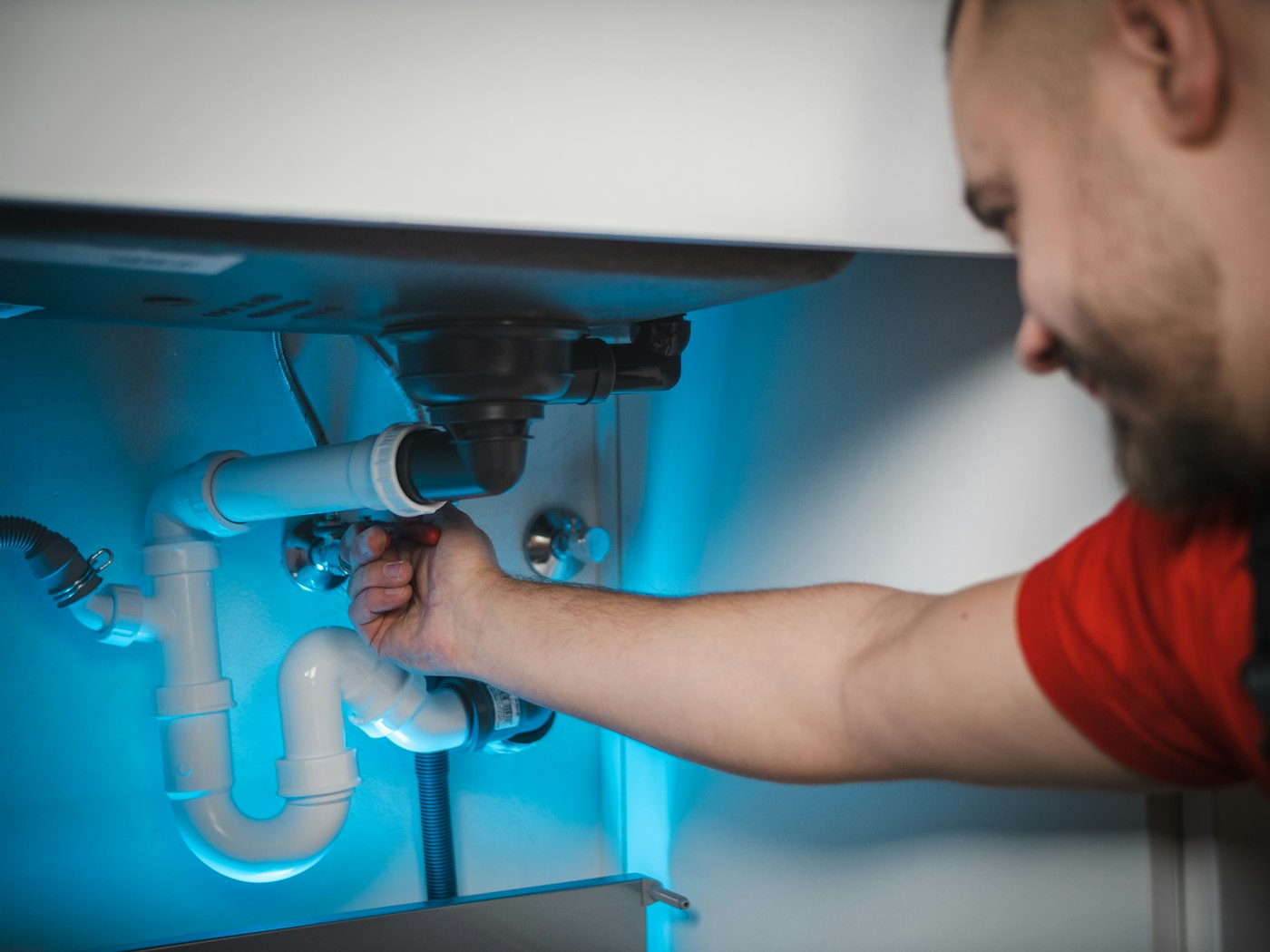
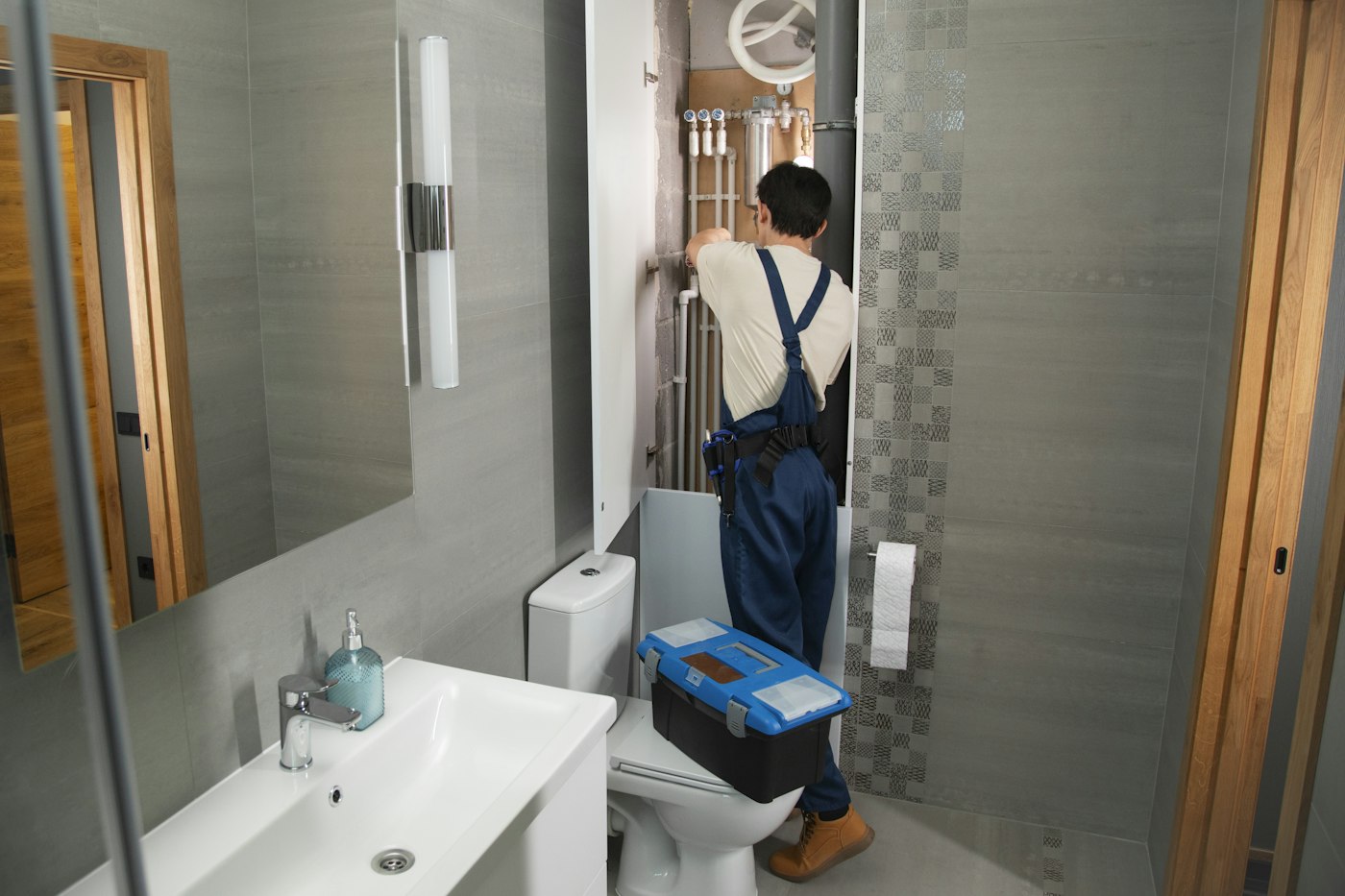
Technician repairing a leaking pipe inside a bathroom vanity cabinet
02 — Leaks we fix

From a single drip to a hidden wall leak.

Our technicians carry common washers, cartridges, angle valves, flexible hoses, seals and Teflon tape so most small leaks are fixed on the first visit. For larger jobs we’ll quote clearly for parts and labour before starting.

L-01

Taps & mixers

Dripping basin and kitchen taps, loose mixers, worn cartridges and washers replaced.

L-02

Angle valves & hoses

Rusted or seized angle valves and bursting flexible hoses under sinks and cisterns.

L-03

Cisterns & commodes

Running cisterns, leaking flush valves and commode base seals that leave puddles.

L-04

Geyser connections

Dripping inlet and outlet joints, pressure valves and the wiring next to them.

L-05

Hidden wall leaks

Damp patches, bubbling paint and peeling tiles traced to the pipe behind them.

L-06

Overhead tank lines

Leaking float valves, overflow pipes and supply joints on roof tanks.

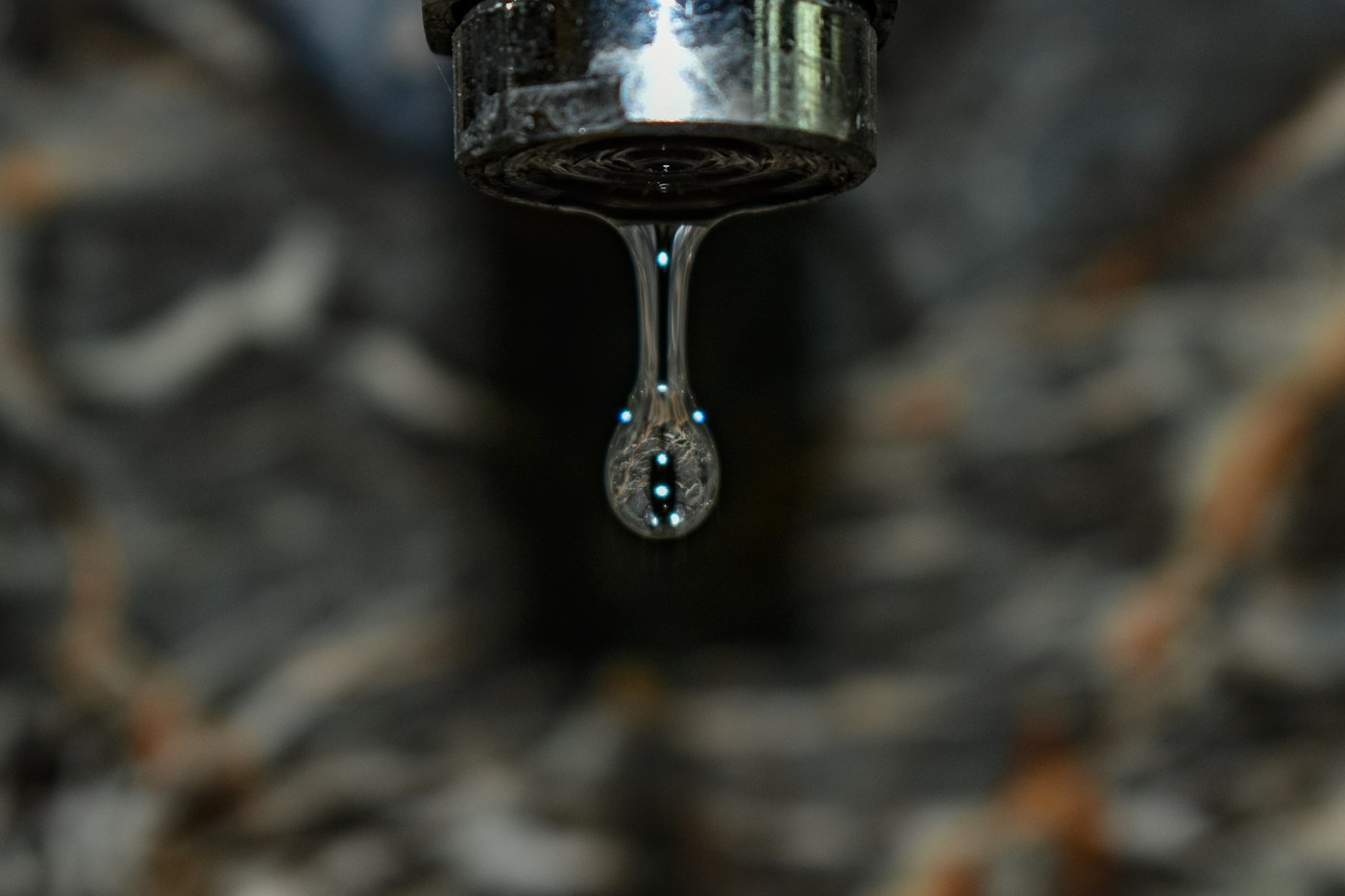
Water dripping from a chrome kitchen tap that needs a new washer
Plumbing technician repairing pipework in a tiled bathroom
03 — How we find hidden leaks

Test, trace, then open only what's needed.

Breaking tiles to hunt for a leak is expensive and messy. We work from evidence first, so any opening is small and in the right place.

  • Meter and valve test — isolating sections of pipework to see which line is losing water.
  • Moisture readings — mapping damp patches on walls and floors to pinpoint the wettest area.
  • Pressure checks — confirming whether supply lines hold pressure when taps are closed.
  • Visual inspection — checking joints, seals, grout lines and roof tank connections.
  • Electrical safety check — testing nearby sockets, light points and the geyser circuit for moisture damage.

Once the source is confirmed, we explain what needs to be opened and what it will cost to repair and re-tile. For the finishing work we can recommend trusted tile and paint contractors if you don’t have your own.

04 — Prevention

Small habits that stop the next leak.

Replace flexible hoses every few years

Braided hoses under basins and cisterns wear out quietly. Replace them before they burst.

Exercise your valves

Turn angle valves off and on twice a year so they don’t seize when you need them.

Watch the water meter

If the meter moves with every tap closed, you have a hidden leak somewhere.

Keep geysers serviced

Annual checks of valves, joints and the electrical point prevent the most dangerous combination of water and power.

Got a damp patch that keeps growing?

Book a leak check. We’ll trace the source, show you the evidence and give you a fixed price to repair it.